
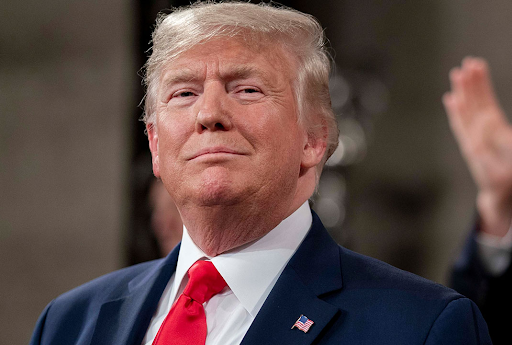
The Nobel Peace Prize is one of the most prestigious awards on the planet, but its credibility is not guaranteed. It rests on the perceived wisdom and integrity of the committee’s choices. Awarding the prize to a figure as uniquely polarizing as Donald Trump would be a gamble of historic proportions, one that experts believe the committee is unwilling to take.
Every Nobel choice carries a risk, but a Trump laureateship would be in a category of its own. It would instantly be seen by a vast portion of the global population not as an award for peace, but as a political statement of the highest order. The committee would be accused of endorsing his nationalist politics, his controversial rhetoric, and his challenges to democratic norms.
The institution has faced credibility crises before. The 1973 prize to Henry Kissinger and the 2009 prize to Barack Obama both sparked fierce debate and accusations of politicization. The committee is still sensitive to these criticisms. The backlash against a Trump win would likely dwarf these past controversies, potentially causing irreparable harm to the prize’s reputation.
The committee is a conservative institution by nature, tasked with being the guardian of Alfred Nobel’s legacy. Its primary duty is to protect the prestige of the prize itself. This means they are inherently risk-averse when it comes to choices that could undermine their global standing.
Faced with a long list of worthy but less controversial candidates—human rights activists, disarmament groups, climate campaigners—the choice of Trump represents a massive and unnecessary gamble. The potential cost to the Nobel’s credibility is simply too high. For the sake of their own institution, the committee is expected to make a much safer choice.