
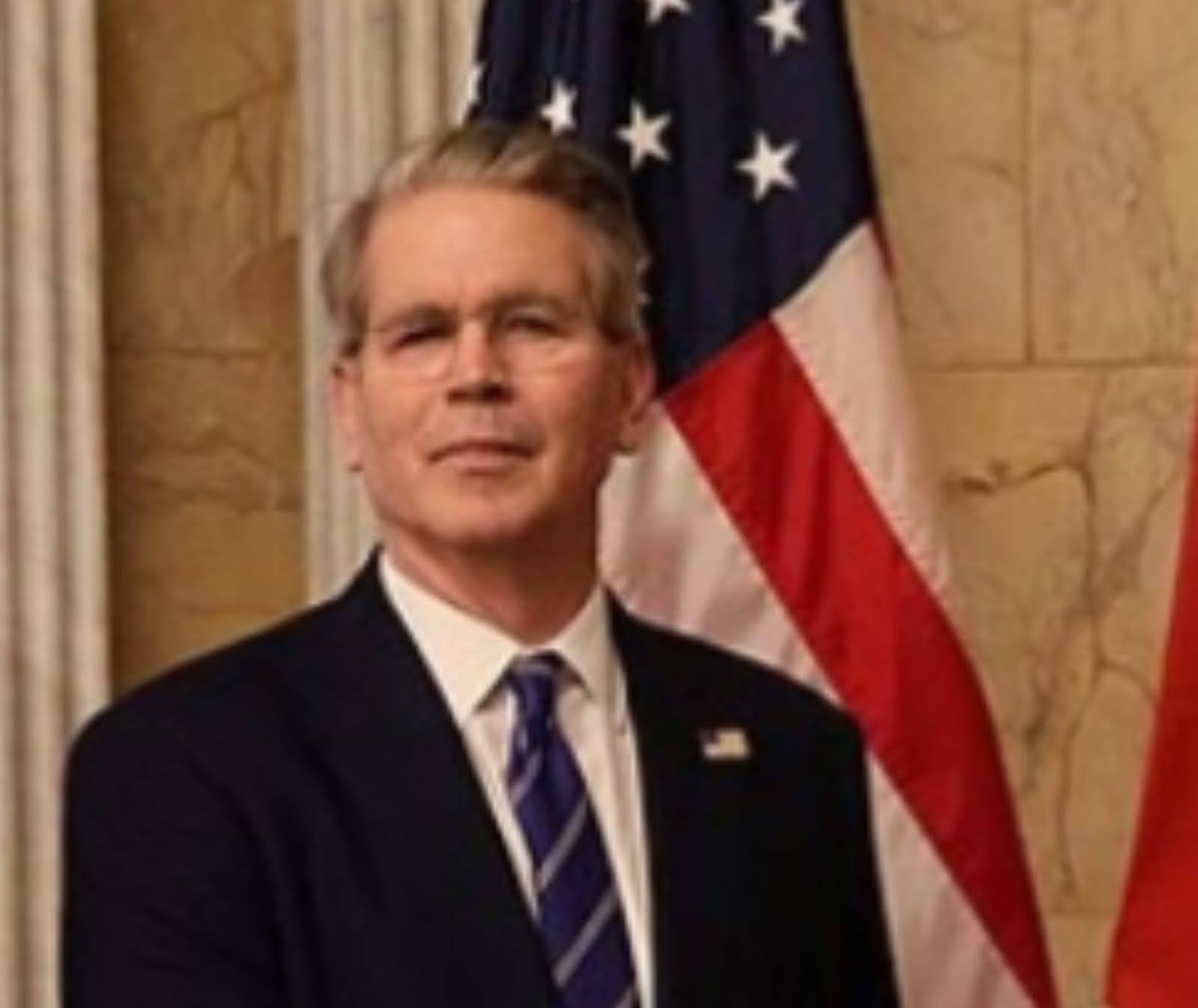
The Strait of Hormuz crisis is testing the limits of established US policy, and Treasury Secretary Scott Bessent confirmed Thursday the administration is responding by pursuing a temporary release of Iranian crude oil stranded on tankers. Bessent revealed the US may lift sanctions on approximately 140 million barrels of Iranian crude in international waters, to address oil prices above $100 per barrel that have persisted since Iran’s blockade began.
The Hormuz crisis has tested policy limits across multiple dimensions, forcing the administration to consider supply measures that would have been off the table in normal circumstances. The removal of between 10 and 14 million barrels of daily supply from global markets for close to two weeks has placed the administration in the difficult position of balancing short-term economic stabilization against long-term strategic consistency.
Bessent said the Iranian crude on tankers, originally heading toward Chinese ports, represents an available policy tool for addressing the supply deficit. A targeted temporary waiver could redirect this oil to global buyers, he argued, providing roughly two weeks of market relief during the ongoing US campaign against the Hormuz blockade.
The Treasury has previously tested policy limits with a waiver for Russian oil that added approximately 130 million barrels to world supply. An additional unilateral US Strategic Petroleum Reserve release beyond the G7’s 400 million barrel commitment is also in development, while the administration maintains its firm stance against financial market intervention.
Experts and compliance professionals were outspoken about the limits being tested. They warned that pursuing Iranian crude release pushes US sanctions policy past the point where its logic remains coherent, enabling revenues for a government the US is simultaneously attempting to economically isolate. Critics said the Hormuz crisis has exposed the limits not just of US supply policy, but of the administration’s ability to maintain consistent strategic objectives under acute economic pressure.