
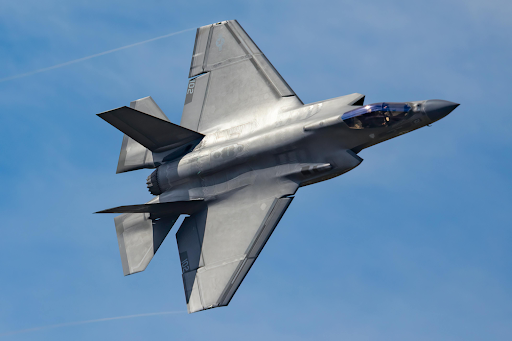
A striking judicial rebellion against government foreign policy is playing out in the Netherlands, with the Supreme Court now set to rule on a ban of F-35 parts exports to Israel. The case represents a significant challenge by the judiciary to the executive branch’s authority in matters of war and international relations.
The conflict between the branches of government ignited after three human rights groups sued the state. They argued that facilitating military shipments to Israel during its campaign in Gaza amounted to complicity in war crimes. Israel denies these accusations.
While a first-instance court sided with the government, the judiciary’s challenge crystallized in February 2024. An appeals court panel defied the government’s position, ordering it to halt all shipments of F-35 parts. The judges declared that the risk of these components being used to violate international humanitarian law was too “clear” to permit their transfer.
This assertion of judicial power prompted the government to appeal to the highest court, framing the issue as a constitutional one. The government’s lawyers argue that the appeals court’s decision represents an undemocratic intrusion into the political sphere, where such sensitive foreign policy choices should be made.
The Supreme Court is now tasked with resolving this fundamental dispute. Its decision will either rein in what the government sees as judicial activism or affirm the courts’ power to hold the government accountable to international law, even if it contradicts stated policy. A non-binding opinion from a court advisor has already recommended rejecting the government’s appeal, adding another layer of intrigue to the final ruling.