
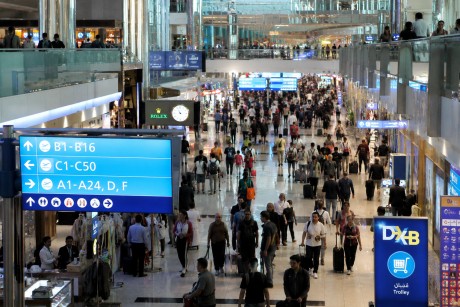
Despite facing a notable drop in passenger numbers during the second quarter of 2026, Dubai International Airport (DXB) is expected to maintain its ranking as the world’s busiest international airport. This decline in traffic, primarily attributed to regional conflicts and related flight disruptions, saw the airport handling 13 million passengers from April to June, a significant decrease from the 22.5 million recorded in the same period the previous year. Overall, for the first half of the year, passenger traffic plummeted to 31.5 million, marking a year-on-year decrease of 31.3%.
Paul Griffiths, CEO of Dubai Airports, remains optimistic about a rebound in passenger traffic in the latter half of the year. His confidence is bolstered by the anticipated resumption of services by international airlines, alongside Emirates and flydubai working to restore the majority of their route networks. While the airport’s total passenger count for 2026 is projected to reach around 70 million, this is a drop from the 95.2 million recorded last year. Consequently, the airport’s goal of hitting 100 million annual passengers has been deferred to 2027.
Currently, Dubai International Airport has restored approximately 86% of its previous operating capacity, with 56 airlines operating flights, down from about 90 prior to the disruptions caused by the regional conflict. The airport is hopeful for further recovery, especially with the upcoming winter travel season, which typically sees a spike in international travel. As more airlines are expected to resume flights, DXB looks towards a brighter outlook.
Key markets for DXB continue to include India, Saudi Arabia, and the United Kingdom, which remain crucial for maintaining its passenger traffic levels. As global travel dynamics continue to evolve, the airport is working diligently to adapt and ensure a swift return to its pre-disruption operational standards.