
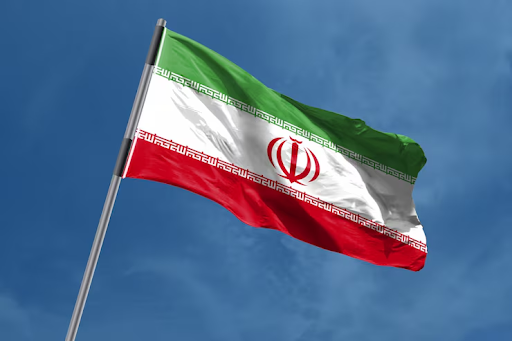
Iran’s parliament speaker Mohammad Bagher Ghalibaf raised the stakes of the Kharg Island debate on Wednesday, warning that if any regional country assisted in an attempted occupation of the island or any other part of Iranian territory, Iran would respond with unrelenting strikes on that country’s vital infrastructure. His comments reflected a pattern of Iranian warnings aimed at deterring what officials described as an emerging US plan to seize the island, which serves as the export point for 90% of Iran’s oil. The threat was one of several issued by Iranian military and civilian leaders as diplomatic activity intensified.
Iran’s foreign ministry had confirmed earlier that the country had received and rejected a 15-point US ceasefire proposal, delivered through Pakistan, and submitted a five-point counter-plan of its own. The American framework included the reopening of the Strait of Hormuz as a key condition — a demand tied directly to the strategic value of Kharg Island. Iran’s counter-proposal insisted on sovereign Iranian control over the strait, making the two positions fundamentally incompatible in the near term. Pakistani and Egyptian officials nonetheless kept diplomatic channels open, with hopes for direct talks by Friday.
Israeli forces conducted another broad wave of strikes on Iranian infrastructure, including targets in Isfahan and Tehran, and announced the successful completion of multiple consecutive strike waves throughout the day. Iran retaliated with ballistic missiles fired at Israel and drone attacks on Gulf states, with one strike setting off a major fire at Kuwait international airport. Saudi Arabia intercepted eight Iranian drones over its eastern oil region. Kuwait meanwhile arrested six individuals it alleged were part of a Hezbollah network targeting the country’s leadership for assassination.
The US military’s picture of the war was one of sustained success. Over 10,000 targets had been struck, 92% of Iran’s largest naval vessels were claimed to be destroyed, and most of its missile and drone manufacturing had been severely disrupted. But Iran remained operationally active and capable of inflicting pain on US interests. An unnamed Iranian military official told a news agency that the country would open additional surprise fronts if the US attempted naval manoeuvres in the Persian Gulf or Sea of Oman, adding a naval dimension to the already multi-front conflict.
The wider political and economic context continued to press for resolution. Trump’s approval rating was at 36%, its lowest point, with nearly 60% of Americans saying the war had gone too far. Fuel prices remained elevated due to the Hormuz blockade, and the global energy crisis was straining economies from Asia to Europe. With a Beijing summit scheduled for May 14, the Trump administration had strong reasons to want the war resolved quickly — but the gaps between the parties’ stated positions made the path to peace far from clear.