
The United Arab Emirates is taking significant strides to integrate artificial intelligence into its education system. The UAE Cabinet recently endorsed a comprehensive AI curriculum that will be implemented in both public and private schools. This initiative is part of the nation’s broader strategy to bolster the use of AI in education and government services. Students will engage with various aspects of AI, including data analysis, algorithm design, applications, and the ethical considerations tied to technology use. Moreover, the program is set to equip 22,000 educators with the skills needed to incorporate AI into teaching methodologies, assessment frameworks, lesson planning, and curriculum development.
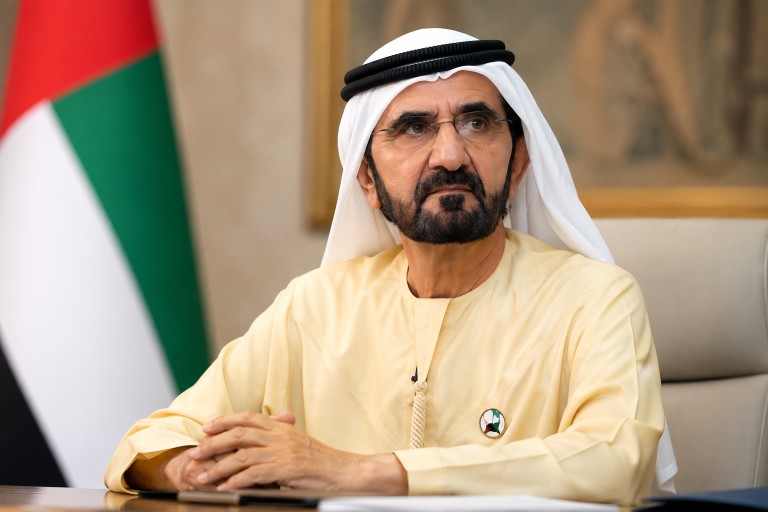
Sheikh Mohammed bin Rashid, the UAE Prime Minister and Ruler of Dubai, emphasized the importance of ongoing learning for teachers to ensure that students are well-prepared for a future marked by rapid technological advancements. In line with this educational push, the Cabinet has also introduced a new AI advisory system to aid ministers in the evaluation of policies and government strategies. This system deploys 32 specialized AI assistants to scrutinize proposals, evaluate their potential impacts, and offer recommendations aligned with the UAE’s national priorities.
In addition to educational reforms, the UAE Cabinet has endorsed a regulatory framework for autonomous vehicles. This framework outlines the procedures for the testing, inspection, registration, and licensing of self-driving vehicles in the UAE. The move is part of a larger effort to promote cleaner transportation options and alleviate traffic congestion within the country.
Alongside these technological advancements, the UAE government has made noteworthy progress in its digital transformation agenda. Over the past year, numerous digital transformation projects have been executed, resulting in hundreds of millions of digital transactions facilitated through government services. This digital shift underscores the UAE’s commitment to modernizing its public sector and enhancing service delivery.
Furthermore, the Cabinet has approved a National Ecotourism Policy and reviewed ongoing efforts under the National Strategy to Combat Desertification for the period from 2022 to 2030. These initiatives aim to protect ecosystems, rehabilitate degraded lands, and preserve native plant species, reflecting the UAE’s dedication to environmental sustainability.