
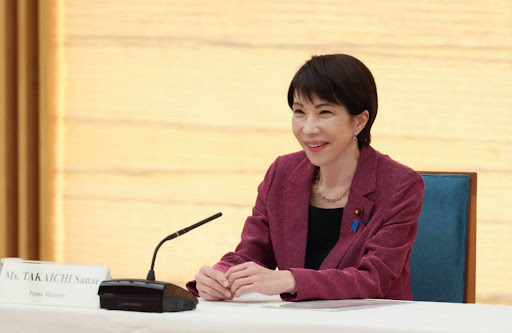
Japan has stepped up to the challenge of a rapidly deteriorating regional energy situation, announcing the largest strategic oil release in its national history. Prime Minister Sanae Takaichi confirmed that approximately 80 million barrels of state crude — covering 45 days of domestic demand — will be released to refiners this week. This action supplements a prior 15-day release from private-sector reserves. The trigger is the ongoing US-Israel conflict with Iran and the very real threat it poses to oil shipping through the Strait of Hormuz.
Japan imports over 90% of its crude from the Middle East, with the Strait of Hormuz serving as the critical maritime chokepoint. The stability of this waterway is therefore not just a regional issue but a matter of direct national economic interest for Japan. Takaichi declined US President Trump’s request to contribute Japanese naval forces to the region, citing the country’s constitution, and pledged multilateral diplomatic efforts. Her government is acting on all available fronts to protect Japan’s energy and economic interests.
The 80 million barrel release is 1.8 times the emergency drawdown conducted after the 2011 Fukushima nuclear disaster. Japan holds approximately 470 million barrels of total reserves, equal to about 254 days of domestic consumption. Officials have expressed confidence that the release is manageable and that Japan’s reserve position remains strong. The government is monitoring the situation closely and will act further if required.
Consumer gasoline prices had reached a record ¥190.8 per litre before the government introduced weekly-reviewed subsidies capping prices at ¥170. The policy is designed to protect households and businesses from the full impact of the energy price shock. Analysts say the transparent and flexible subsidy framework is well-calibrated to the current crisis. It is expected to remain in force for the duration of the supply disruption.
Social media fear about toilet paper and household goods shortages has led to some panic buying. The trade ministry issued a public advisory confirming that 97% of Japan’s toilet paper is produced domestically from recycled materials unconnected to oil supply. Industry groups confirmed stable supply chains and production headroom. Japan’s government is responding to both the real energy emergency and the social anxiety it has generated with clarity, precision, and a firm commitment to factual communication.