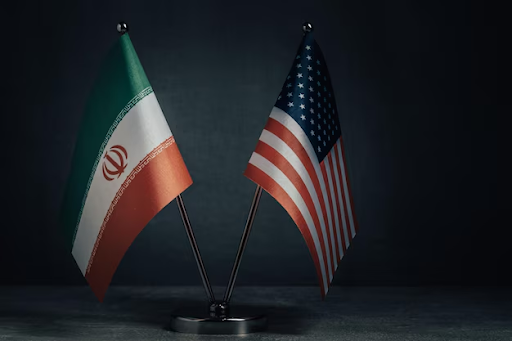
The role of international nuclear inspectors sat at the very center of Tuesday’s indirect Iran-US talks in Geneva, with both sides having separately met IAEA Director General Rafael Grossi in the days surrounding the negotiations. Iran’s Foreign Minister Araghchi confirmed after the session that agreement had been reached on guiding principles, and that verification-related issues had been among the most productive areas of discussion.
The talks, brokered by Oman, lasted approximately three and a half hours and addressed the complex question of what access the IAEA would need — and what Iran would grant — under any prospective nuclear deal. The situation is particularly complicated because US airstrikes have damaged key Iranian nuclear facilities, and current inspectors lack a clear picture of the remaining enrichment capacity.
Iran offered to expand IAEA access to the three main bombed nuclear sites and to cooperate more fully with inspectors trying to assess the post-strike situation. Combined with the offer to dilute its stockpile of 60% enriched uranium, Tehran presented these steps as a comprehensive package that addressed the most serious international concerns about its nuclear programme.
The US insisted on even more comprehensive access — effectively a return to the full inspection regime that existed before Iran began restricting IAEA access years ago. Iran accepted the principle of robust verification while rejecting the US demand for a complete halt to domestic enrichment, the other central American condition for a deal.
The broader context was tense throughout. Khamenei made public threats toward US naval forces, and Iran announced military exercises in the Strait of Hormuz. Inside Iran, the political situation remained unstable, with the government simultaneously prosecuting thousands of protesters and trying to present a constructive face to international diplomacy. The next round of talks was expected in about two weeks.