
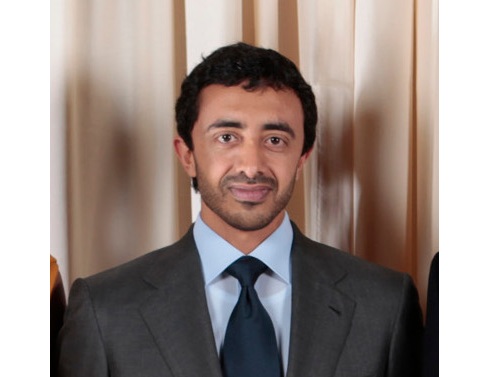
In a recent phone call with Kuwaiti Foreign Minister Sheikh Jarrah Jaber Al Sabah, UAE Deputy Prime Minister and Minister of Foreign Affairs Sheikh Abdullah bin Zayed denounced Iran’s missile and drone attacks on Kuwait, labeling them as acts of terrorism. This condemnation comes in the wake of Kuwait’s confirmation that its air defense systems successfully intercepted these hostile threats, which caused reported explosions due to the interceptions.
During their conversation, the two leaders addressed the current regional dynamics and the security implications following the attacks. Sheikh Abdullah assured Kuwait of the UAE’s unwavering support, highlighting that Kuwait’s security is intrinsically linked to that of the UAE and the broader Gulf region. This expression of solidarity underscores the UAE’s commitment to Kuwait’s safety and stability amid escalating tensions.
The timing of the incident is notable as it coincides with ongoing diplomatic negotiations between the United States and Iran. While US officials have hinted at progress in these talks, any resulting agreement still awaits final consent. This backdrop of diplomatic engagement is juxtaposed with persistent regional tensions, particularly concerning maritime security in the Strait of Hormuz.
Iran has expressed strong disapproval of recent US comments about shipping operations in this critical waterway, accusing the US of making unlawful statements that breach international standards. As these geopolitical issues unfold, the UAE’s stance reflects a broader regional anxiety over security and stability in the face of both diplomatic and military challenges.
The UAE’s vocal support for Kuwait illustrates the growing concern among Gulf nations regarding regional stability. This solidarity is particularly significant as it highlights the need for collective security measures while diplomatic efforts continue to address the complex challenges posed by the situation with Iran.